
A middle part is a hairstyle where the hair naturally or intentionally separates at the center of the head, creating two balanced sides. For men, it can look clean, relaxed, sharp, or slightly rebellious depending on the length, texture, and styling. It is a simple detail, but the right middle part can completely change the way your face and hair look.
The real appeal of a middle part is its flexibility. Straight hair can make it look sleek and polished, while wavy or textured hair gives it a softer, effortless finish. You can wear it with shorter sides for a neat appearance or keep more length for a fuller, more natural shape.
A good middle part should not look forced. The parting, volume, hair texture, and face shape all work together to create the final look. Whether you prefer a clean everyday style or a modern, flowy finish, the right middle part can give men a confident hairstyle without making it feel overdone.
Popular Men’s Middle Part Haircuts
Parted Curtains
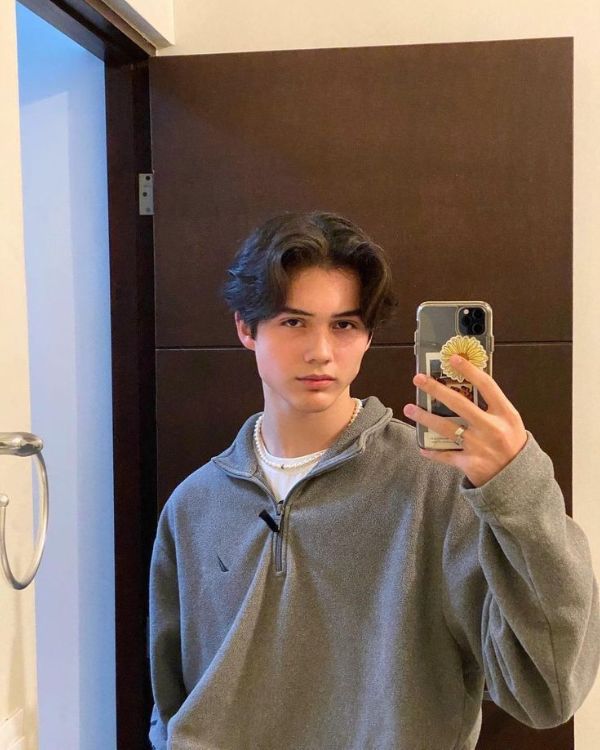
Parted curtains are a middle part style where the front hair falls on both sides of the face. The hair is usually kept longer in front, creating a soft curtain effect. It works especially well when the hair has some natural movement.
For men with straight hair, a light styling cream can keep the sections smooth without making them look stiff. Wavy hair can be left more natural to add volume and texture. Avoid using too much product, as it can make the curtains look flat and heavy.
The length around the ears and sides also changes the overall shape. A clean taper gives parted curtains a sharper finish, while longer sides create a relaxed look. Regular trims help keep the front sections balanced as they grow.
Middle Part Flow with Long Curtains
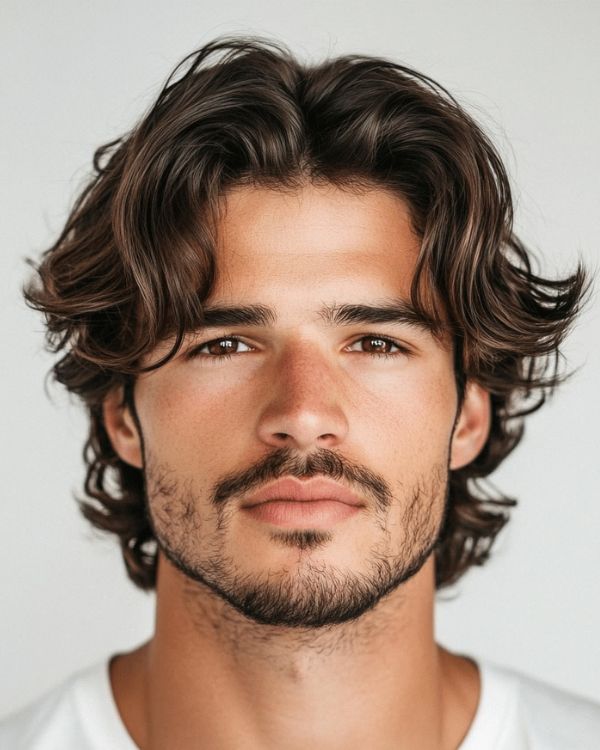
Middle part flow with long curtains keeps the front hair long enough to fall past the forehead and frame both sides of the face. The center part guides the hair outward, while the longer length creates a loose, flowing shape. It looks best when the hair can move naturally instead of staying perfectly fixed.
This style works well with straight, wavy, or slightly textured hair. Straight hair gives the curtains a cleaner fall, while waves add body and movement. A small amount of lightweight cream or leave-in product can control flyaways without removing the natural flow.
The back and sides should blend into the longer front rather than creating a sharp contrast. Soft layers can remove excess weight and help the curtains move better. Regular trims are useful for keeping the ends healthy while still preserving the length.
Loose Curtains
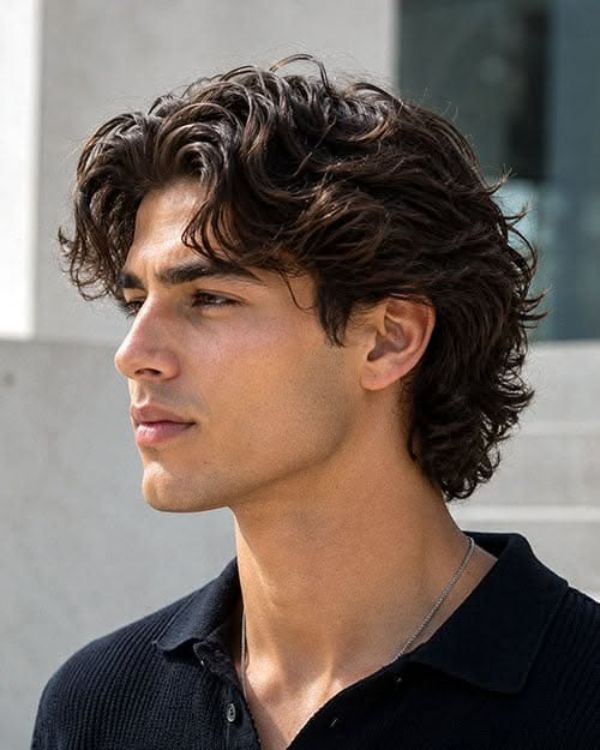
Loose curtains give the middle part a relaxed and natural shape. The hair is separated near the center, but the sides are not styled into a perfectly sharp line. The front sections fall softly around the forehead and temples.
This style works especially well with medium-length hair that has some natural texture. Wavy or slightly messy hair can create volume without much effort. A light styling cream can help control flyaways while keeping the hair flexible.
Keep the sides and back slightly longer if you want a fuller appearance. For a cleaner finish, ask for a soft taper around the edges. The key is to avoid heavy products that make the curtains stiff or greasy.
Cool Middle Part with Temp Fade
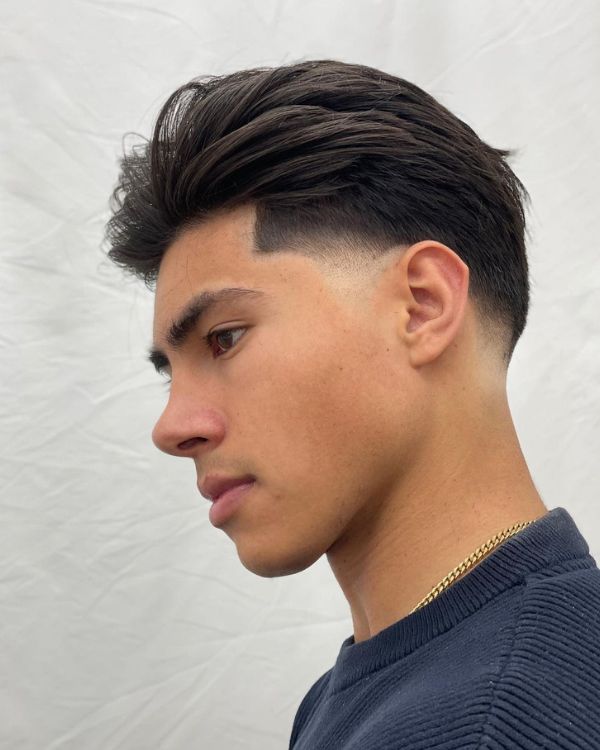
A middle part with a temp fade combines longer hair on top with a clean taper around the temples. The center part lets the front sections fall naturally to both sides, while the fade creates a sharper outline near the sides of the head.
This haircut works well with straight, wavy, and lightly textured hair. Keep enough length on top so the hair can separate without falling flat. A small amount of matte styling cream can add control while keeping the middle part looking natural.
The temple fade gives the style a modern edge without removing too much hair from the sides. Keep the fade low if you want a subtle finish, or make it slightly tighter for stronger contrast. Regular barber visits help keep the temple area clean as the hair grows.
Textured Wavy Middle Part
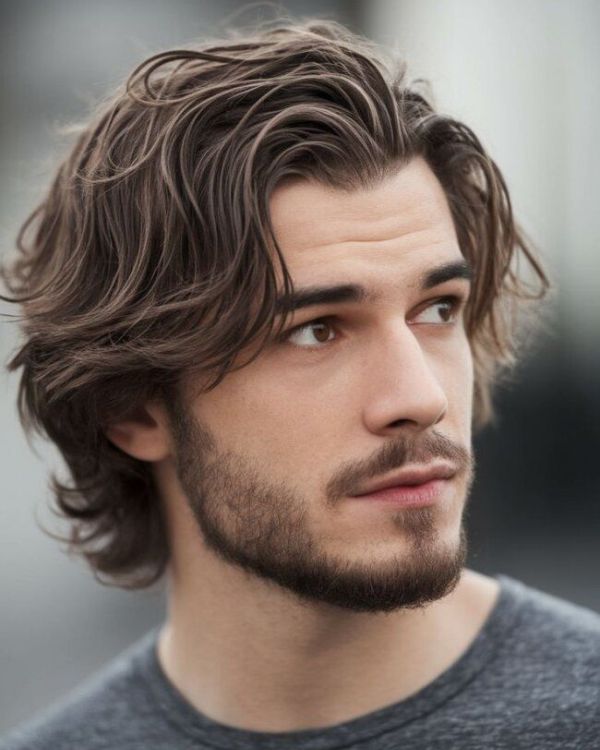
A textured wavy middle part uses natural waves to give the hairstyle more shape and movement. The hair separates around the center, while the waves fall loosely on both sides. This creates a fuller look without needing a perfectly defined part.
Medium-length hair works well because it gives the waves enough room to form. Apply a small amount of lightweight curl cream or styling mousse to damp hair, then let it air-dry or use a diffuser on low heat. Avoid heavy waxes that can weigh down the waves.
Keep the sides slightly tapered or softly layered to prevent the haircut from looking bulky. The front should stay long enough to follow the natural wave pattern. A little unevenness is fine because it adds to the relaxed, textured finish.
Two Block Middle Part

A two-block middle part keeps the top longer while the sides and back are cut noticeably shorter. The center part divides the longer top into two sections, allowing the front hair to fall naturally toward each side. This creates a clean shape with a clear difference between the top and sides.
The longer top can be worn straight, slightly wavy, or softly textured. For a neat finish, use a lightweight styling cream and guide the front sections away from the center. Blow-drying the roots in the direction you want can also help the part stay in place.
The contrast is what gives this haircut its modern character. Keep the lower sides neat while leaving enough length on top for the curtains to move freely. A regular trim helps maintain the two-block shape without making the middle part look too rigid.
Middle Part with Fade
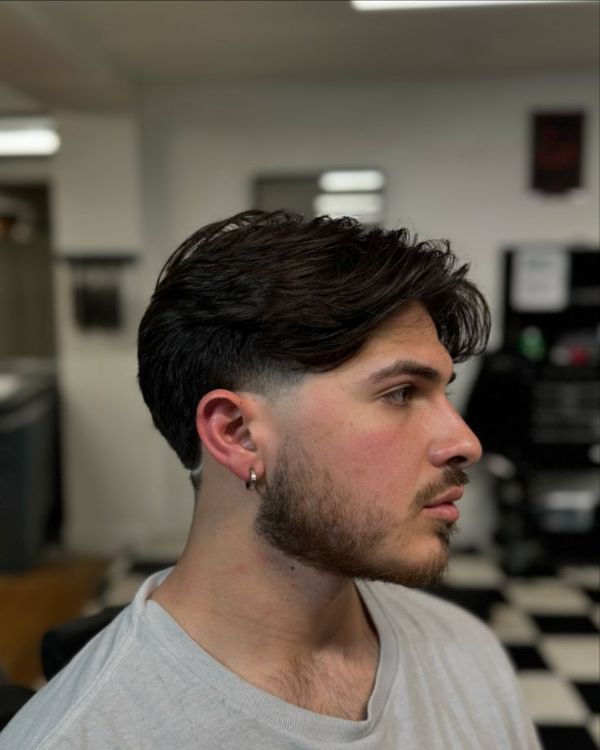
A middle part with fade keeps the top long enough to separate at the center while the sides gradually become shorter. The fade creates a clean contrast, making the longer front sections stand out. It gives the classic middle part a sharper and more modern shape.
This haircut works best when the top has enough length to fall naturally on both sides. Straight hair can be styled with a smooth finish, while wavy or textured hair can add more volume. Use a light styling product so the hair stays flexible instead of looking stiff.
The fade can be low, mid, or higher depending on how much contrast you want. A low fade gives the haircut a subtle finish, while a higher fade creates a stronger difference between the top and sides. Keep the center part natural for a less forced appearance.
Pulled Back Center Part with Short Sides
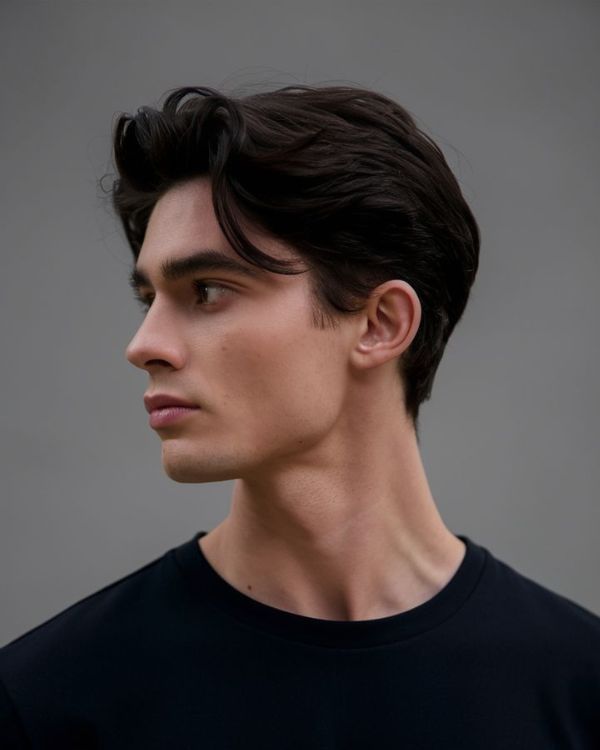
A pulled-back center part keeps the hair divided at the middle and brushed away from the face. The top stays long enough to sweep toward the back, while the short sides create a cleaner outline. This gives the style a controlled shape without looking overly formal.
Medium to long hair on top works best for this look. Blow-dry the hair backward after creating the center part, then use a small amount of light pomade or styling cream to hold it in place. For wavy hair, leave some natural texture instead of trying to make every strand completely straight.
Short sides make the longer top more noticeable and keep the haircut from appearing bulky. A low taper around the ears and neckline can add extra neatness without creating a harsh fade. Keep the top trimmed occasionally so the pulled-back sections maintain an even shape.
Short Textured Center Part
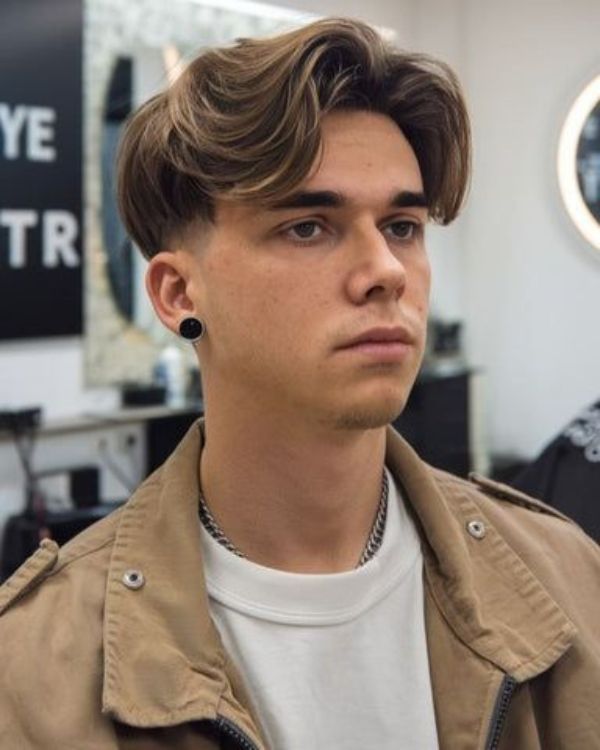
A short textured center part keeps the hair close to the head while leaving enough length on top to create a visible split. Instead of letting the hair hang like long curtains, the front is kept shorter and given a slightly uneven finish. This makes the style look neat without feeling too polished.
It works well with straight, wavy, or thick hair that can hold some natural texture. A small amount of matte clay or styling cream can separate the strands and add definition. Use your fingers to shape the hair rather than making the part look perfectly pressed down.
The sides can be tapered around the ears and neckline for a cleaner outline. Keep some weight on the sides if you want a fuller look, or ask for a tighter taper for more contrast. Regular trims help maintain the short length and prevent the center part from losing its shape.
Messy Curly Middle Part
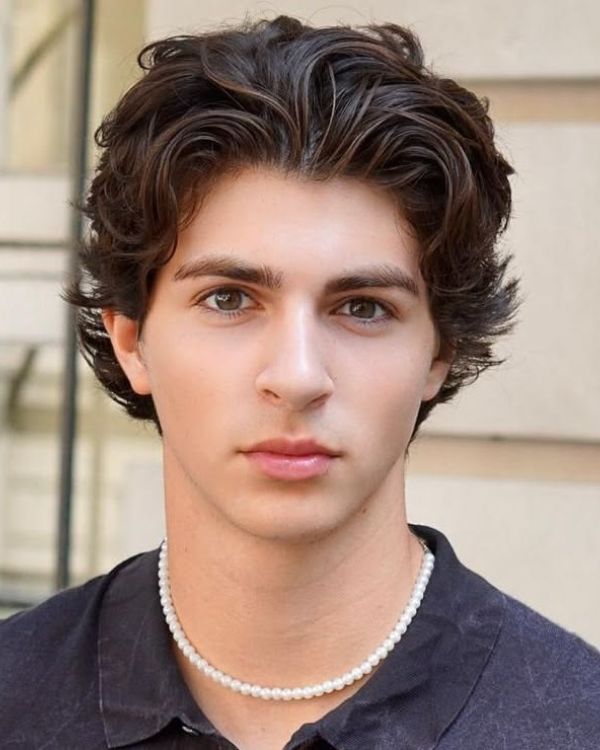
A messy curly middle part lets the curls separate naturally from the center instead of forcing them into a straight, precise line. The curls fall toward both sides of the face, creating volume and an intentionally undone finish. Keeping some length on top helps the curls maintain their shape.
This style works best when the curls have enough room to move. Apply a small amount of curl cream to damp hair and shape the curls with your fingers. Let the hair air-dry when possible, as brushing it after drying can break up the curl pattern and create extra frizz.
The sides can stay slightly longer for a fuller shape or be tapered for a cleaner contrast. Avoid heavy gels that make the curls stiff and reduce their natural movement. Light layering can also remove excess weight without making the curls look thin.
Textured Middle Part with Undercut
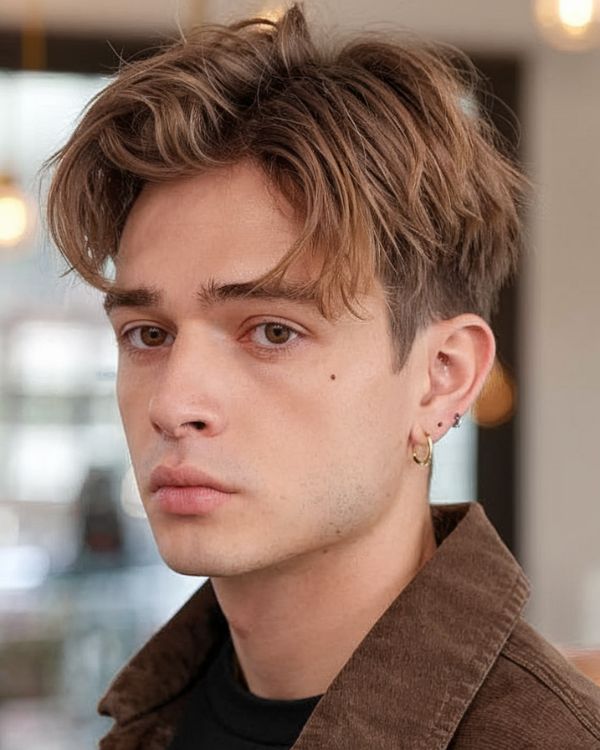
A textured middle part with an undercut keeps the top noticeably longer while the sides are cut short and disconnected. The center part divides the longer hair into two sections, while the undercut creates a strong contrast underneath. This gives the haircut a sharper, more defined look.
Style the longer top with messy texture, loose waves, or a slightly lifted finish. Use a small amount of matte clay or styling cream to separate the strands without making them look greasy. Blow-drying the front away from the center can help create more volume and movement.
The undercut needs regular trimming because the short sides quickly lose their clean shape as they grow. Keep the top longer if you want the middle part to fall over the sides. For a less dramatic result, ask for a softer transition instead of a completely disconnected undercut.
Short Parted Curtains
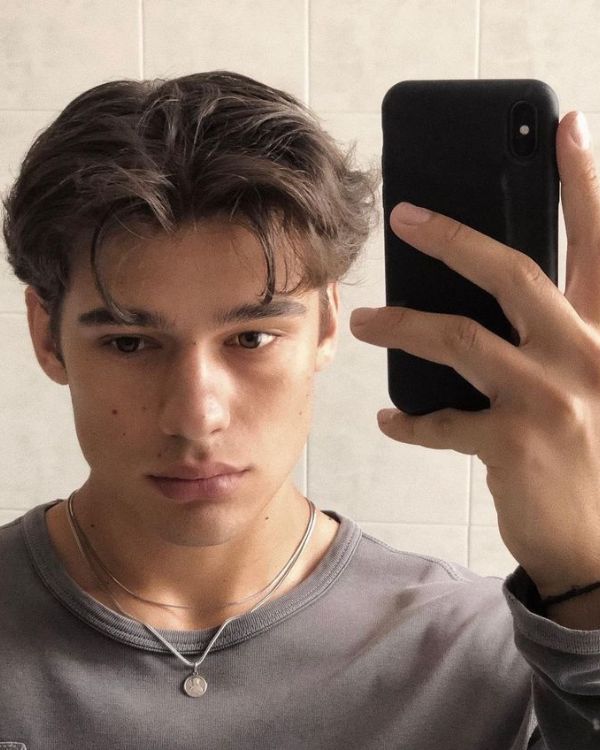
Short parted curtains keep the front sections shorter while still creating a clear middle part. The hair usually sits around the forehead and temples instead of falling far down the face. This makes the curtain shape easier to manage for men who prefer a neat haircut.
The style works well with straight or lightly wavy hair. Use a small amount of lightweight styling cream and separate the front with your fingers. Blow-drying from the center outward can help train the hair to fall naturally on both sides.
A low taper or clean trim around the ears can give short parted curtains a sharper finish. Keep some texture on top so the haircut does not look too flat. Trimming the front regularly also keeps the two sides balanced as they grow.
Voluminous Parted Curtains
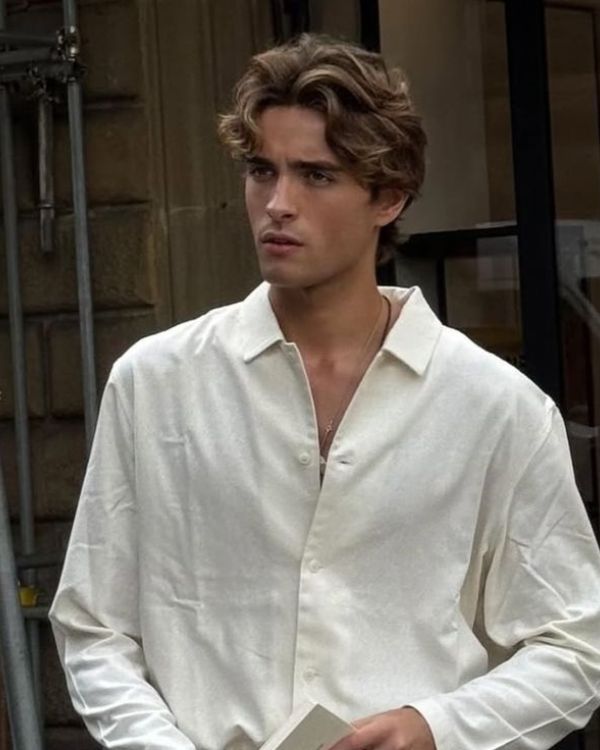
Voluminous parted curtains add noticeable lift to the hair around the center part. The front sections rise slightly at the roots before falling toward each side, giving the hairstyle a fuller shape. This works particularly well for medium-length hair with enough density to hold volume.
Start with damp hair and blow-dry the roots away from the center using your fingers or a round brush. A lightweight mousse can add body without making the hair feel heavy. Finish with a small amount of matte styling cream to keep the shape flexible.
Keep the sides balanced with the extra height on top. Soft layers can remove excess weight and help the front sections move instead of sitting flat. Avoid applying too much product near the roots, as heavy products can quickly reduce the volume.
Medium Parted Flow
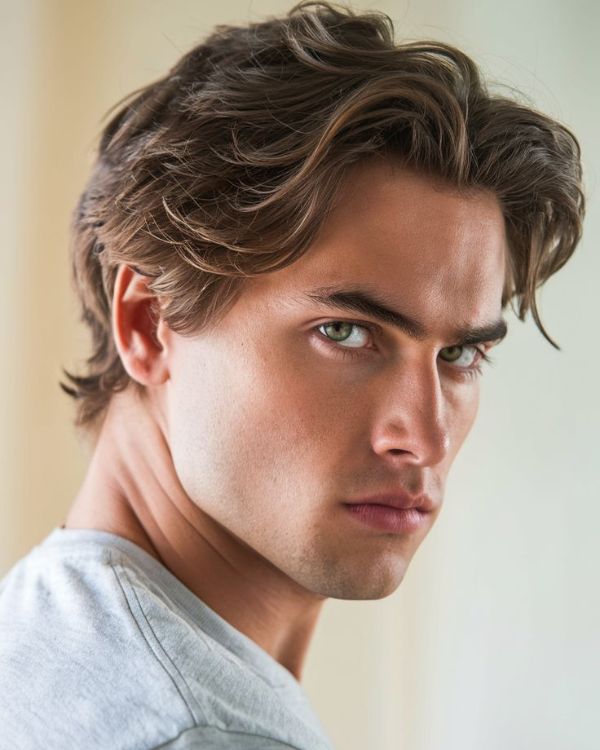
Medium parted flow keeps enough length on top for the hair to move naturally away from the center. The front sections sweep toward both sides instead of sitting in a fixed position. This gives the haircut a relaxed shape while still keeping the middle part visible.
It works well with straight, wavy, and slightly textured hair. Blow-dry the roots away from the center, then use a lightweight styling cream to control loose strands. For wavy hair, avoid over-brushing because it can remove the natural movement.
Keep the sides long enough to connect smoothly with the flowing top, or add a soft taper around the ears for a cleaner finish. Light layers can reduce excess weight and help the hair move more easily. The goal is a loose flow rather than a stiff, heavily styled shape.
Middle Part with Mid Fade
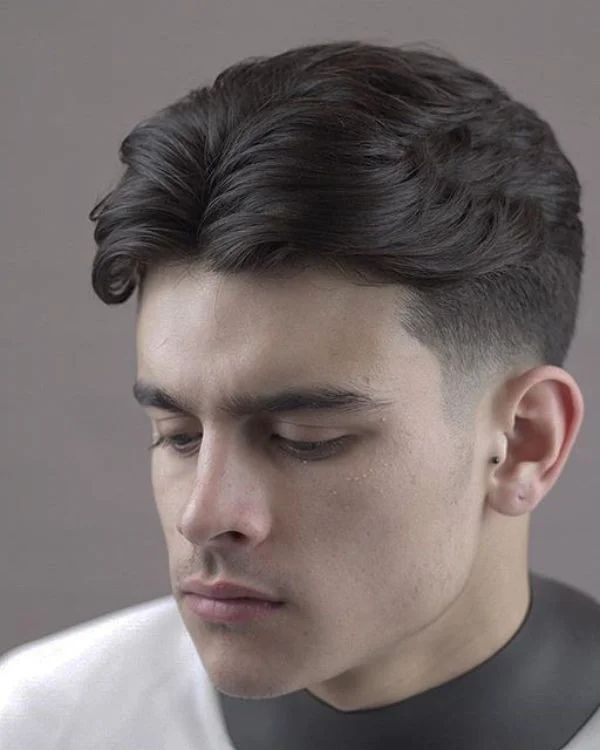
A middle part with a mid fade combines a longer top with shorter sides that gradually fade around the middle of the head. The center part keeps the front balanced, while the fade creates a clear contrast between the top and sides. It gives the hairstyle a clean shape without removing too much length from the upper sides.
The top should have enough length to separate naturally and fall toward both sides. Straight hair can be blow-dried for a smooth finish, while wavy hair can be left slightly loose for added texture. A lightweight matte cream helps control the hair without making the part look overly rigid.
The mid fade needs regular maintenance to keep its transition clean. Ask your barber to leave enough weight near the upper sides if you want a softer blend with the longer top. For a stronger contrast, the fade can be taken tighter around the temples and above the ears.
Long Curly Middle Part
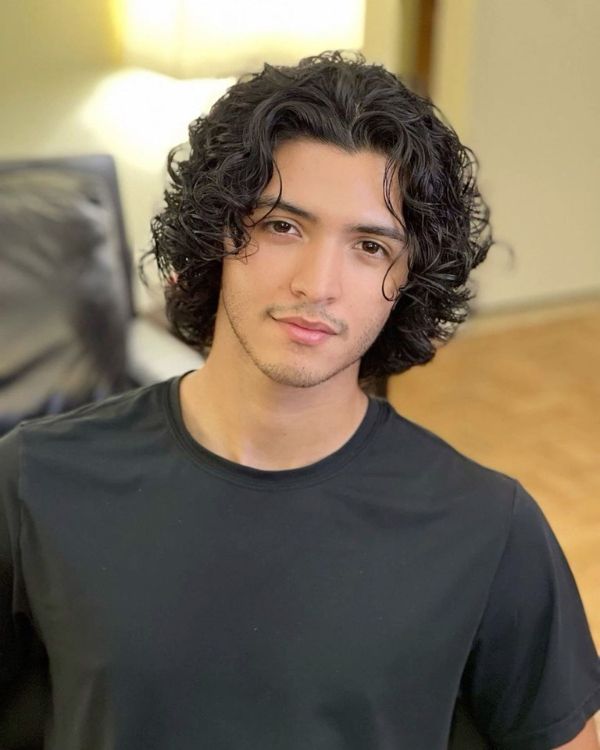
A long curly middle part lets the curls grow past the forehead and fall naturally on both sides of the face. The center part gives the curls a clear direction without forcing them into a perfectly even shape. The extra length also allows the curls to show their full pattern and movement.
This style works best when the hair has enough length and moisture to prevent the curls from becoming too tight or dry. Apply curl cream or a lightweight leave-in conditioner to damp hair, then gently shape the curls with your fingers. Avoid brushing the hair when it is dry, as this can separate the curl pattern and increase frizz.
Keep the ends trimmed to prevent split ends while preserving the overall length. Soft layers can remove some weight if the curls feel too bulky around the sides. A natural middle part usually looks better here than a sharply defined line because the curls already provide plenty of texture.
Attractive Long Flowing Middle Part
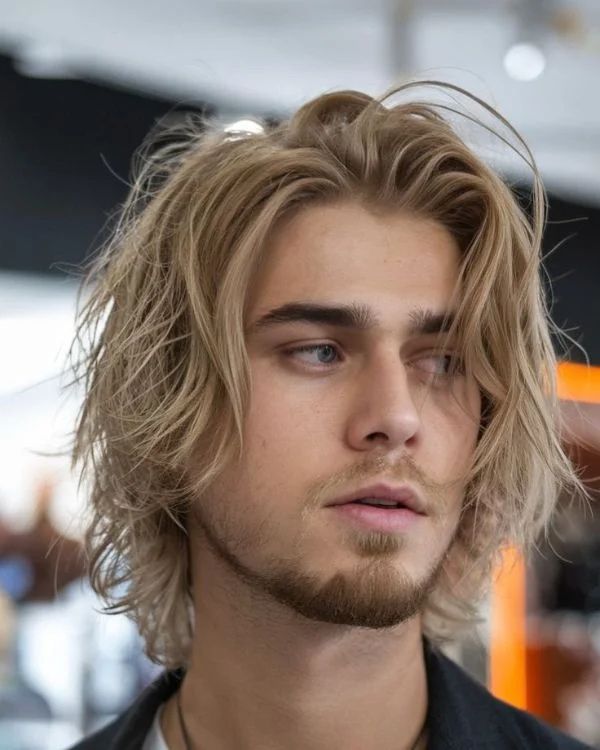
An attractive long flowing middle part keeps the hair long enough to move freely from the center of the forehead. The two front sections fall naturally toward the sides, creating a relaxed frame around the face. The extra length gives the hairstyle a softer and more noticeable flow.
This style works especially well with straight or wavy hair. Blow-dry the roots away from the center, then use a small amount of lightweight cream to control flyaways. Let the ends keep some natural movement instead of making them look stiff or overly polished.
Soft layers can make long hair easier to manage and prevent the sides from becoming too heavy. Keep the front long enough to maintain the flowing shape as it grows. Regular trims around the ends can also keep the hairstyle looking healthy without taking away its length.
What Is A Middle Part?
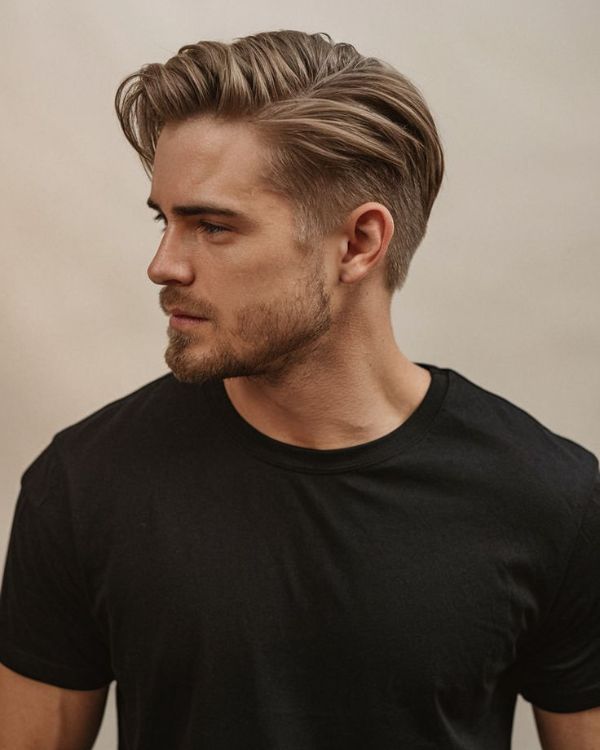
A middle part is a hairstyle where the hair separates near the center of the forehead and falls toward both sides. For men, the part can be subtle or clearly defined depending on the hair length and natural growth pattern. The front sections usually create a frame around the face.
The shape of a middle part changes with hair texture. Straight hair often creates a cleaner split, while wavy and curly hair produce a softer, less precise part. Medium-length hair is commonly used because it gives the front enough weight to fall naturally on both sides.
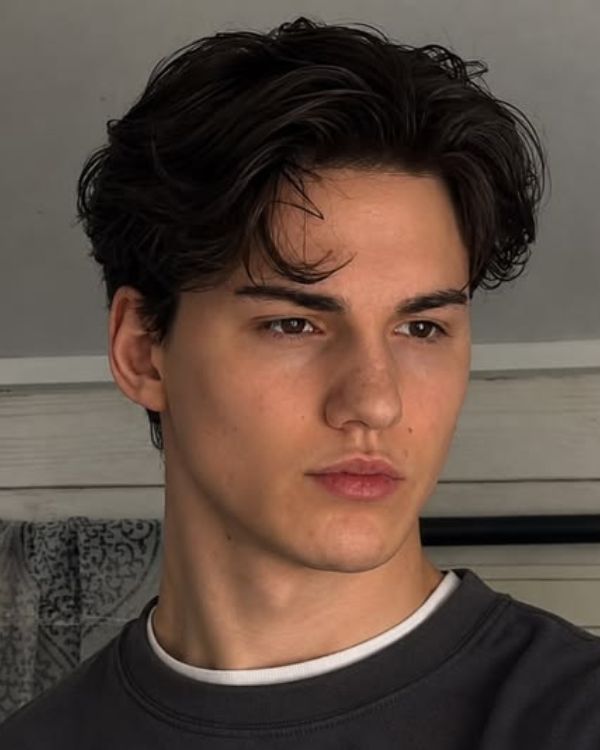
A good middle part should work with the way your hair naturally grows. If the hair is too short, the sections may not stay apart, while excessive length can make the style heavy around the face. The right length, texture, and light styling product can create a balanced finish without making the hair look forced.
How To Style A Middle Part
Step 1: Start with Clean, Damp Hair
Wash your hair and gently towel-dry it until it is damp, not dripping wet. Damp hair is easier to separate and shape, so the middle part can settle in the right direction. Avoid rubbing the hair roughly with a towel, especially if it is wavy or curly.
Step 2: Make the Middle Part
Use a fine-tooth comb to create a line from the center of your forehead toward the crown. Follow your natural hair growth instead of forcing a perfectly straight line. Separate the hair evenly on both sides, then gently comb each section away from the center.
Step 3: Add Sea Salt Spray
Spray a small amount of sea salt spray through the damp hair, focusing on the roots and mid-lengths. Use your fingers to spread it evenly and gently scrunch the hair if you want more texture. Avoid using too much, as excess spray can leave the hair feeling dry or stiff.
Step 4: Dry with a Diffuser
Attach a diffuser to your hair dryer and use low to medium heat to dry the hair gently. Move the diffuser around the roots while keeping the middle part in place. This helps add volume and preserve natural texture without making the hair look flat.
Step 5: Finish with Styling Clay
Take a small amount of styling clay and warm it between your palms before applying it. Work it through the mid-lengths and ends, then use your fingers to shape the middle part and add definition. Keep the product light so the hair stays flexible and does not lose its natural movement.
One Response
[…] Men’s high-top sneakers work well with jeans, joggers, and casual pants. For daily activities, they are easy to wear. A good pair can make a simple outfit look more stylish. […]