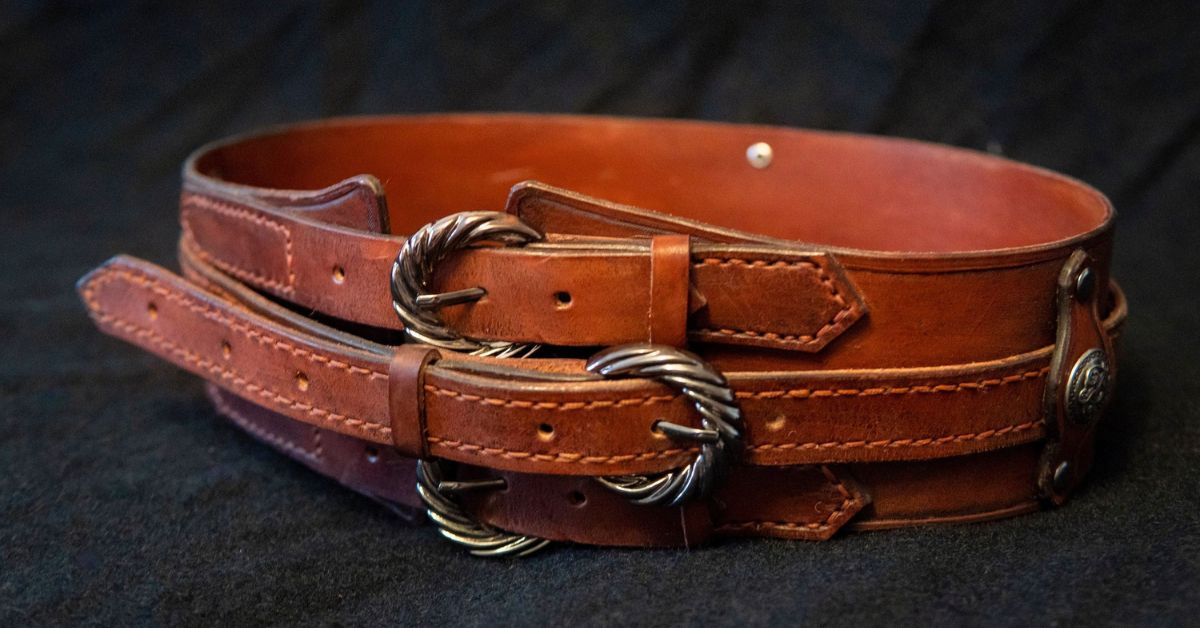
A leather belt is a practical accessory made from leather that holds your trousers in place. It can also add structure and style to an outfit. Leather belts come in different colors, widths, finishes, and buckle designs.
A good belt can quietly change the way an outfit looks. The right one makes jeans look cleaner, and formal trousers look more polished. It also adds a simple touch of personal style without feeling overdone.
In this guide, we will explore different leather belt styles, materials, colors, widths, and buckles. You will also learn how to match a belt with shoes and outfits, choose the right size, and care for your belt so it lasts longer.
Popular Leather Belt Styles
Classic leather belts usually have a simple rectangular buckle and a smooth finish. Black and dark brown work well with formal trousers, chinos, and clean-cut outfits. A 30–35 mm width is a practical choice for dressier looks because it fits most standard trouser loops without looking bulky.
Casual leather belts often use wider straps, textured finishes, or more noticeable buckles. Brown pull-up leather, distressed leather, and suede-like finishes pair naturally with jeans and rugged boots. These styles develop visible character as the leather bends and wears over time.
Braided leather belts offer a different look because the strap has no fixed holes. The buckle can be fastened between the woven sections, giving you more flexibility around the waist. They work especially well with chinos, linen trousers, and relaxed summer outfits.
Why Leather Belts Stand Out
Leather belts stand out because genuine leather develops a natural character with use. Small changes in color, creases, and surface texture can appear over time. Full-grain leather usually shows this aging more clearly because its surface remains less heavily altered.
A good leather belt also works across different outfits. A dark brown belt can pair with denim, chinos, and brown shoes, while a black belt fits naturally with black or charcoal trousers. This makes one well-chosen belt more useful than several low-quality options.
The construction also matters. A strong leather strap, secure stitching, and a solid buckle can handle regular bending and daily wear. When these parts are well made, the belt can keep its shape instead of becoming stretched or misshapen quickly.
Choosing the Right Belt Width
Belt width should match the trousers and the level of formality. A 30–35 mm belt usually suits dress trousers and office outfits because it looks neat and fits most standard belt loops. Wider belts around 38–45 mm create a stronger casual look and work better with jeans or rugged trousers.
Your belt loops are also a useful guide. The strap should slide through the loops without rubbing tightly against their edges. A very wide belt can look awkward when the loops are narrow, while a very thin belt may look lost with heavy denim.
Think about the buckle as well. A narrow strap looks balanced with a smaller, cleaner buckle. Wider leather can support a larger buckle without making the outfit look uneven. For one versatile everyday belt, around 35 mm is a practical middle ground.
Types of Leather Belts
Leather belts differ mainly by leather grade, finish, construction, and intended use. Full-grain leather keeps the natural outer surface of the hide, while top-grain leather is sanded or corrected for a more even appearance. Other options, such as suede, nubuck, and pull-up leather, offer different textures and aging patterns.
The best type depends on how you plan to wear it. Smooth leather suits formal trousers, while textured or pull-up leather works better with jeans and boots. The table below shows the main types and where each one fits best.
| Leather Belt Type | Main Feature | Best For | Typical Look | Durability |
| Full-Grain Leather | Natural grain surface | Daily and formal wear | Rich and natural | Very high |
| Top-Grain Leather | Smoothed outer surface | Office and smart outfits | Clean and refined | High |
| Corrected-Grain Leather | Treated to reduce marks | Everyday use | Uniform and smooth | Moderate to high |
| Genuine Leather | Broad quality category | Budget-friendly belts | Simple and practical | Varies |
| Suede Leather | Soft, napped surface | Casual outfits | Relaxed and textured | Moderate |
| Nubuck Leather | Fine sanded grain | Smart-casual wear | Soft and premium | Moderate to high |
| Pull-Up Leather | Oily, flexible finish | Jeans and boots | Rugged and aged | High |
| Braided Leather | Woven leather strips | Chinos and casual wear | Flexible and relaxed | Moderate to high |
| Embossed Leather | Pressed texture or pattern | Statement outfits | Decorative | Varies |
| Reversible Leather | Two usable sides | Travel and versatile dressing | Practical and neat | Moderate to high |
Full-Grain vs. Top-Grain Leather
Full-grain leather keeps the natural outer surface of the hide, so small marks and grain patterns remain visible. It is generally the stronger choice for a belt that will face frequent bending and daily wear. Top-grain leather is lightly sanded or corrected to create a more even surface, giving it a smoother and more uniform appearance.
- Full-grain: Natural texture, strong, develops a deeper patina with age.
- Top-grain: Smoother finish, more consistent appearance, easier to keep looking uniform.
- For daily wear: Full-grain is a strong long-term option.
- For a cleaner look: Top-grain works well with dress trousers and office outfits.
- Check the label: “Genuine leather” alone does not tell you the specific leather grade.
Best Leather Belt Colors
Black is the safest choice for formal outfits. It pairs naturally with black, charcoal, and navy trousers. A smooth black leather belt also works well with black dress shoes, making it useful for office and formal occasions.
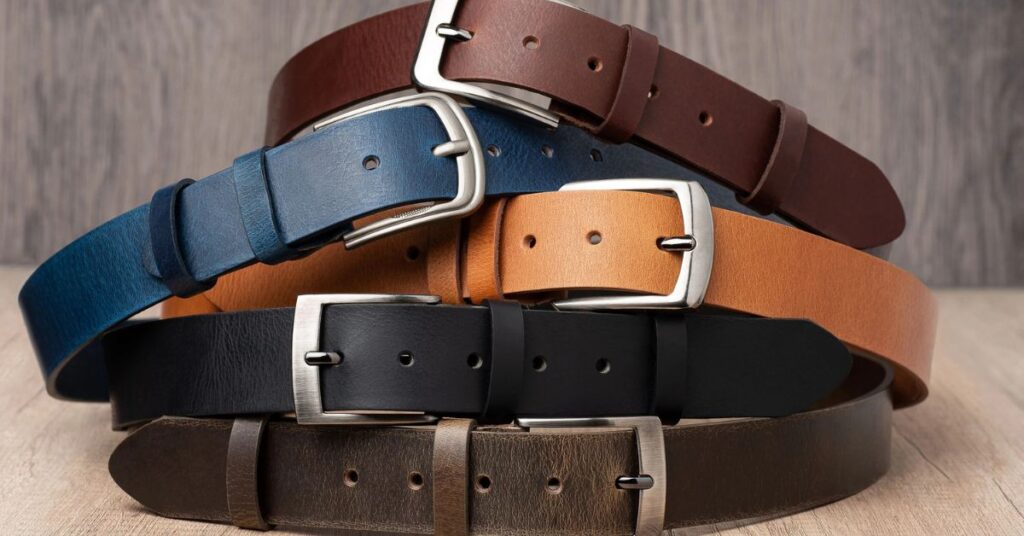
Dark brown gives you more flexibility for smart-casual dressing. It looks strong with blue jeans, khaki chinos, navy trousers, and brown footwear. Medium brown has a warmer, more relaxed feel and suits casual outfits better than formal suits.
Tan and burgundy are useful when you want more character. Tan leather works especially well with light chinos, denim, and summer clothing. Burgundy adds a deeper color without looking too bold. Match these shades with footwear in a similar color family for a balanced outfit.
Matching Belts With Shoes
The simplest rule is to keep your belt and shoes in the same color family. A black leather belt works best with black shoes, while a dark brown belt pairs naturally with dark brown footwear. The shades do not need to be identical, but they should not look like completely different colors.
For smart outfits, also match the level of finish. A smooth, polished leather belt looks more natural with dress shoes than a heavily textured or distressed belt. With casual footwear, you have more freedom. A rugged brown belt can work well with leather boots, loafers, or casual sneakers.
Your trousers can help balance the combination. With navy or charcoal trousers, black shoes and a black belt create a clean look. Blue jeans give you more options, especially with brown belts and boots. For a simple everyday wardrobe, keeping one black belt and one brown belt covers most outfit combinations.
Leather Belts With Jeans
Leather belts work especially well with jeans because the sturdy texture of leather complements denim. A medium-width belt around 35–40 mm usually fits standard jeans loops without looking too formal. Dark brown leather gives blue jeans a classic look, while black leather creates a sharper, more modern contrast.
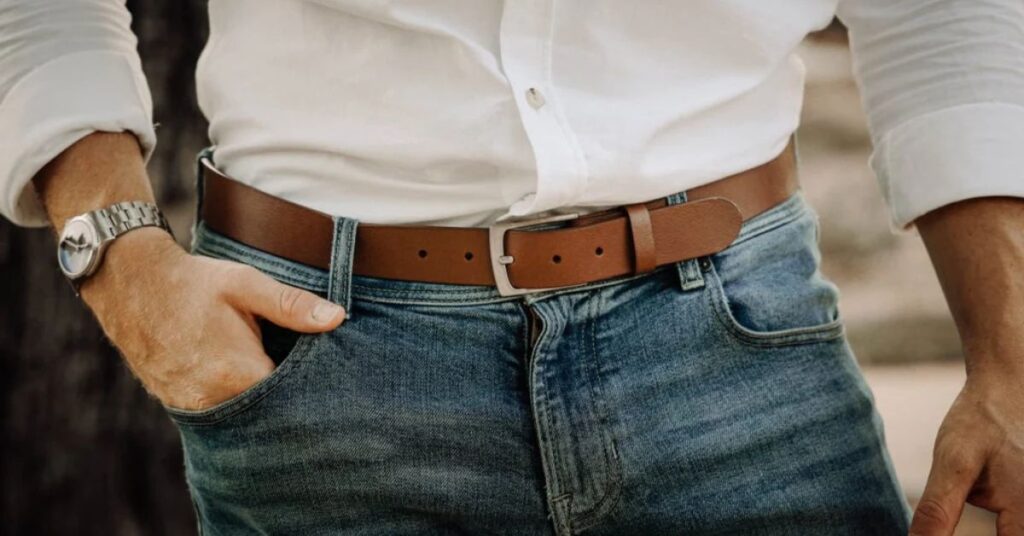
The belt finish should match the style of your jeans. Smooth leather suits dark indigo or black jeans when you want a cleaner outfit. Distressed, pull-up, or textured leather works better with faded denim and casual boots because the worn finish feels more natural with rugged clothing.
Pay attention to the footwear too. Brown boots or casual leather shoes pair well with a brown belt, while black boots look cleaner with a black belt. Avoid an overly formal belt with heavily faded or ripped jeans, as the polished leather can make the outfit feel mismatched.
Leather Belts for Formal Wear
For formal wear, choose a slim leather belt with a clean surface and a simple buckle. A width around 30–35 mm usually works well with dress trousers because it looks neat without overpowering the outfit. Black and dark brown are the most useful choices for suits and office clothing.
The belt should also coordinate with your shoes. Wear a black belt with black dress shoes and a dark brown belt with brown shoes. Keep the buckle understated, especially with a suit. Silver or muted metal buckles usually create a cleaner formal appearance than oversized or decorative designs.
Leather quality matters more with formal belts because imperfections are easier to notice against tailored clothing. Look for an evenly finished strap, secure stitching, and a buckle that sits flat. Avoid heavily distressed leather, large western-style buckles, and very wide straps for traditional formal outfits.
Choosing the Right Belt Buckle
The buckle can change the entire character of a leather belt. For formal outfits, a simple rectangular or square buckle works best. Silver, brushed metal, and other muted finishes look clean with dress trousers and suits. Avoid oversized buckles when you want a polished appearance.
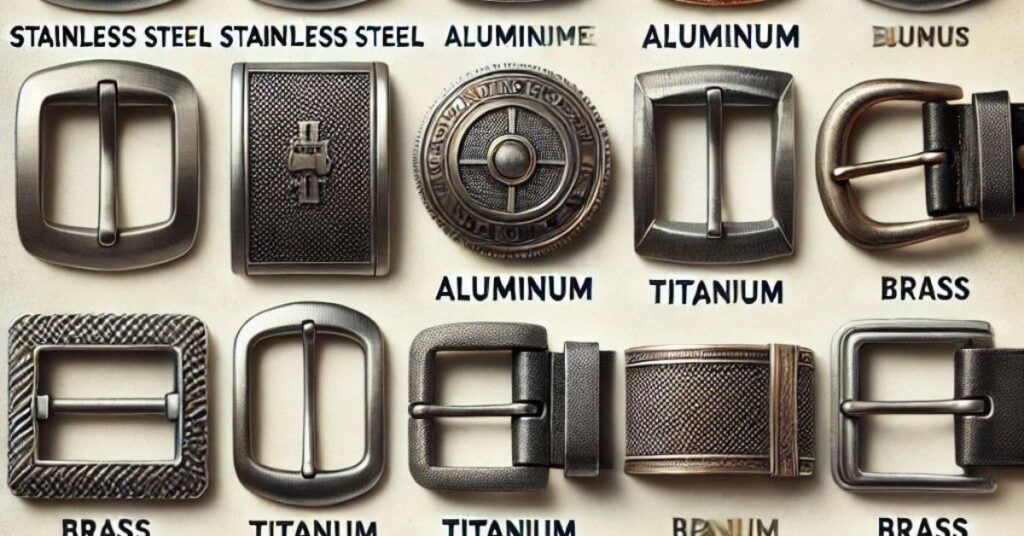
For casual outfits, you can choose more noticeable shapes and finishes. Rounded buckles, antique metal, and brushed finishes work well with jeans, chinos, and boots. A slightly larger buckle can also suit wider casual belts without making the outfit look unbalanced.
Think about the buckle mechanism too. Pin buckles are classic and easy to adjust. Automatic buckles use a track system and allow smaller size adjustments without traditional holes. For everyday wear, choose a buckle that feels secure, sits flat, and matches the width of the leather strap.
Finding the Right Belt Size
The best way to choose a belt size is to measure where you actually wear your trousers. Use a soft measuring tape around your waist over your shirt, or measure a belt that already fits you well from the buckle pin to the hole you use most. Do not rely only on your trouser waist size because belt sizing varies between brands.
A well-fitting belt should fasten around the middle hole when it has five holes. This leaves room for small changes in your waist and keeps the extra strap at a comfortable length. If the belt only fits on the first or last hole, a different size is usually a better choice.
Check the belt’s sizing method before buying. Some brands measure from the buckle to the center hole, while others list the total belt length. For everyday leather belts, also make sure the strap fits easily through your trouser loops without pulling or bunching.
Caring for Leather Belts
Keep your leather belt away from prolonged moisture and direct heat. If it gets wet, wipe off the water with a soft cloth and let it dry naturally. Do not place it near a heater or use a hair dryer, as rapid drying can make leather stiff and more likely to crack.
Clean the belt gently when dirt builds up. Use a slightly damp cloth for light surface marks. For unfinished or delicate leather, check the manufacturer’s care instructions before applying any conditioner. Too much oil or conditioner can darken leather and leave the surface greasy.
Store the belt properly when you are not wearing it. Hanging it from the buckle or rolling it loosely can help prevent sharp folds. Avoid storing it tightly bent for long periods, especially around the same area, because repeated pressure can create permanent creases.
Leather Belt Materials and Finishes
Leather belts can use different leather types, and each one has a different feel. Full-grain leather keeps the natural grain and usually develops a visible patina with age. Top-grain leather has a more even surface, while suede and nubuck offer a softer, textured feel for casual outfits.
The finish also changes how a belt looks and wears. Smooth leather gives a clean appearance that suits office and formal clothing. Pull-up leather has oils and waxes that create lighter and darker areas when the surface bends. Distressed leather is intentionally treated to create a worn, rugged appearance.
Some belts also use bonded or synthetic leather materials to reduce cost. These can look similar to genuine leather when new, but their durability and aging behavior can differ. When buying a belt, check the material description rather than judging quality only by color, shine, or texture.
Conclusion
The right leather belt can make an outfit look more complete. Choose the width, color, buckle, and finish based on how you dress. Black and dark brown are useful for most wardrobes, while textured finishes add a more casual touch.
Quality also matters. Look for durable leather, strong stitching, and a secure buckle. With proper care and correct storage, a well-made belt can stay useful for years and develop more character as it ages.
FAQs
1. How long should a leather belt last?
A well-made leather belt can last for several years with regular care. Its lifespan depends on leather quality, construction, and how often you wear it.
2. Which leather belt color is best for men?
Black is ideal for formal outfits, while dark brown works well with jeans, chinos, and smart-casual clothing.
3. How do I choose the correct leather belt size?
Measure your waist where you wear your trousers. Choose a size that lets you fasten the belt near its middle hole for a comfortable fit.
4. Is full-grain leather better than top-grain leather for belts?
Full-grain leather keeps its natural surface and develops a distinct patina. Top-grain leather offers a smoother, more uniform finish.
5. How can I prevent my leather belt from cracking?
Keep it away from excessive heat and moisture. Clean it gently, use a suitable leather conditioner when needed, and store it without sharp folds.
No Responses